

Production availability note: This article may discuss Swaply's product direction. Provider-dependent services such as payments, escrow, identity verification, staffed mediation, courier integrations, insurance and paid AI are not implied to be live. Current availability is shown by the application itself.
Swapping vehicles might sound unusual, but it is one of the fastest-growing categories on Swaply. Every month, thousands of users successfully trade cars, motorcycles, bicycles, trucks, and even recreational vehicles with one another, often saving thousands of dollars in dealership markups, sales commissions, and transaction fees along the way.
Whether you want to trade your sedan for an SUV because your family is growing, exchange a motorcycle you no longer ride for a practical commuter car, or swap a high-end road bike for an electric bicycle, this guide covers everything you need to know to make your vehicle swap safe, fair, and legally sound.
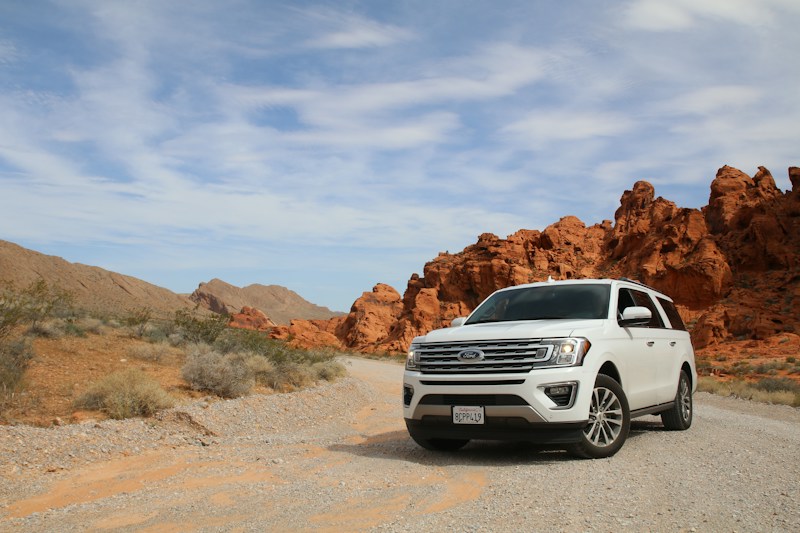
Why People Swap Vehicles
Before diving into the how, it is worth understanding the why. Vehicle swapping appeals to a wide range of people for different reasons:
- Changing life circumstances. A new baby means you need more space. A job change means a shorter commute and less need for a gas-guzzler. Retirement means trading the practical minivan for the sports car you always wanted.
- Avoiding dealership costs. Buying and selling through dealerships involves significant markups, trade-in undervaluation, and processing fees. Direct swaps bypass all of that.
- Upgrading or downgrading. Some people want a nicer vehicle and are willing to add cash on top of their trade. Others want to downsize and walk away with a simpler vehicle plus extra value.
- Trying something different. Maybe you have always driven cars but want to try motorcycle commuting. Maybe you are curious about electric vehicles. Swapping lets you make the switch without the commitment of a full purchase.
On Swaply, vehicle swaps range from straightforward like-for-like exchanges to creative multi-item trades where a vehicle is swapped for a combination of goods, services, or another vehicle plus supplementary items.
Vehicle-Specific Listing Fields on Swaply
When you create a vehicle listing on Swaply, the platform provides specialized fields designed to give potential swap partners all the information they need to evaluate your offering. Filling these out completely and accurately is essential for attracting serious, qualified matches.
Here are the key fields you should complete:
- Make, model, and year. The fundamental identifiers of any vehicle.
- Mileage or odometer reading. One of the most important factors in vehicle valuation.
- Condition rating. Swaply uses a standardized scale from "Like New" to "Fair" to help set expectations.
- Title status. Clean title, salvage title, rebuilt title, or lien status. This is critical for legal transfer.
- Service history. Upload maintenance records, receipts for major repairs, and documentation of regular servicing.
- Accident history. Disclose any accidents the vehicle has been involved in, along with details about repairs.
- Modifications. List any aftermarket parts, upgrades, or modifications that differ from the factory specifications.
- Photos. Upload at least 10 high-quality photos covering the exterior from all angles, the interior, the engine bay, the trunk, the tires, and any areas of wear or damage.
The more thorough your listing, the more trust you build with potential swap partners, and the faster you will find a match.
How to Determine Fair Vehicle Value
Establishing a fair value for your vehicle is the foundation of a successful swap. On Swaply, the AI-powered valuation tool provides an estimated range based on make, model, year, mileage, condition, and local market data. However, you should also do your own research to ensure accuracy.
Here are the best approaches to determining your vehicle's value:
- Check established valuation guides. Resources like Kelley Blue Book, Edmunds, and NADA Guides provide market-based valuations for virtually every vehicle on the road.
- Search for comparable listings. Look at what similar vehicles are listed for on automotive marketplaces in your area. Pay attention to mileage, condition, and feature comparisons.
- Factor in your vehicle's unique attributes. Low mileage, a clean service history, rare color options, desirable packages, and recent maintenance all increase value. High mileage, cosmetic damage, mechanical issues, and missing maintenance records decrease it.
- Consider local demand. A four-wheel-drive truck is worth more in a rural mountain community than in a dense urban center. A fuel-efficient hybrid is worth more in a city with high gas prices.
- Be honest with yourself. Emotional attachment can inflate your perception of your vehicle's worth. Try to assess it as objectively as a third party would.
When both swap partners have a realistic understanding of their vehicles' values, negotiations proceed smoothly and both parties walk away satisfied.
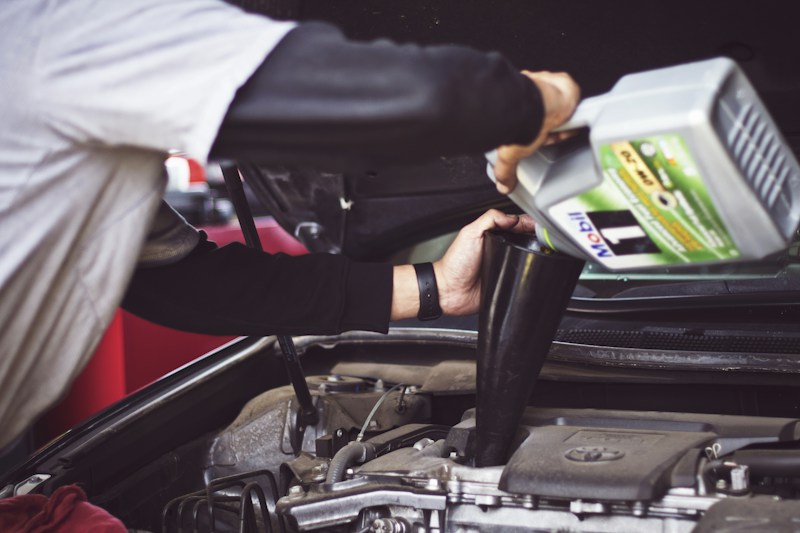
The Pre-Swap Inspection: Your Most Important Step
Never finalize a vehicle swap without a thorough inspection. This is the single most important piece of advice in this entire guide. Even if the other vehicle looks perfect in photos and the owner seems completely trustworthy, a professional inspection can reveal hidden problems that could cost you thousands of dollars down the road.
Here is what a comprehensive pre-swap inspection should cover:
Mechanical Inspection
Have a qualified, independent mechanic inspect the vehicle. This should include:
- Engine compression and performance testing
- Transmission function and fluid condition
- Brake system evaluation including pads, rotors, and lines
- Suspension and steering components
- Exhaust system integrity
- Cooling system and all fluid levels
- Electrical system diagnostics including battery health
- Check engine light codes and diagnostic scan
Body and Frame Inspection
- Look for signs of rust, especially under the vehicle, around wheel wells, and along door seams
- Check panel gaps for consistency, which can indicate previous accident repair
- Inspect the paint for mismatched colors, orange peel texture, or overspray
- Examine the frame for any signs of bending, welding, or structural repair
- Test all doors, windows, locks, and latches for proper operation
Interior Inspection
- Test all electronics including infotainment, climate control, power seats, and lighting
- Check upholstery for tears, stains, and excessive wear
- Verify odometer reading against service records
- Test the air conditioning and heating systems
- Inspect the trunk or cargo area for water damage
Documentation Review
- Verify the Vehicle Identification Number matches across the title, registration, and the vehicle itself
- Review the vehicle history report through services like Carfax or AutoCheck
- Confirm there are no outstanding liens on the vehicle
- Check for any open recalls that have not been addressed
The cost of a professional pre-purchase inspection typically ranges from $100 to $200. It is the best investment you can make when swapping vehicles.
Title Transfer and Legal Paperwork
Vehicle swaps involve legal transfers of ownership, and getting the paperwork right is essential. The specific requirements vary by state and country, but here are the general steps involved in most jurisdictions:
- Verify the title is clean. A clean title means the vehicle has not been declared a total loss by an insurance company and has no outstanding liens. If the title is branded as salvage or rebuilt, this significantly affects value and must be disclosed.
- Complete a bill of sale. Both parties should sign a bill of sale documenting the trade, including the vehicles involved, their agreed-upon values, and the date of the exchange. Swaply provides a downloadable vehicle swap agreement template specifically for this purpose.
- Sign the title over. The current owner signs the title to transfer ownership to the new owner. Make sure all fields are completed correctly, as errors can create significant headaches at the DMV.
- Handle registration and insurance. The new owner must register the vehicle in their name and obtain insurance before driving it. Some states require this within a specific timeframe.
- Address tax obligations. In many jurisdictions, vehicle trades are subject to sales tax based on the fair market value of the vehicle received. Consult your local tax authority or a tax professional to understand your obligations.
- Notify your insurance company. Before the swap takes place, contact your insurance provider to discuss coverage transfer and ensure you are protected throughout the process.
Swaply recommends that both parties complete the paperwork simultaneously at the time of the swap, ideally at a notary public if your state requires notarized title transfers.

Common Vehicle Swap Scenarios
To give you a sense of what is possible, here are some of the most common vehicle swap patterns on Swaply:
Car for Car
This is the most straightforward type of vehicle swap. A family trading their compact car for a larger SUV, or someone downsizing from a truck to a sedan, are classic examples. When the vehicles are similar in value, it is a clean one-to-one trade. When there is a value difference, the party with the less valuable vehicle may add cash, goods, or services to balance the swap.
Motorcycle for Car
Lifestyle changes often drive this type of swap. A rider who needs more practical transportation might trade their motorcycle for a compact car. Conversely, someone whose children have left home might swap their family car for the motorcycle they have always wanted. These swaps often involve value adjustments since cars and motorcycles in different price ranges are being compared.
Motorcycle for Bicycle
This swap is increasingly popular among urban commuters who are shifting toward human-powered or electric-assisted transportation. A motorcycle might be traded for a high-end road bike, an electric bicycle, or a combination of a bicycle plus additional items or cash to make up the value difference.
Vehicle Plus Items for Vehicle
Many creative swaps involve a vehicle plus supplementary items. For example, someone might trade a slightly less valuable car plus a set of professional tools, a laptop, or a piece of furniture to match the value of a higher-end vehicle. Swaply's platform supports these multi-item trades natively.
Safety Tips Specific to Vehicle Swaps
Beyond the general safety advice that applies to all swaps, vehicle trades have some unique considerations:
- Never hand over keys or title until all paperwork is complete. Both parties should have signed documents in hand before any vehicle changes ownership.
- Meet at a safe, neutral location. A police station parking lot or a busy public parking area is ideal. Never go alone to an unfamiliar, isolated location.
- Bring a knowledgeable friend. If you are not mechanically inclined, bring someone who is. A second set of eyes can catch issues you might miss.
- Test drive the vehicle yourself. Do not accept someone else's word that the vehicle drives perfectly. Take it on the road, test it at highway speeds, listen for unusual sounds, and check how it handles corners and braking.
- Verify insurance before the test drive. Make sure the vehicle is insured before you drive it, even for a test drive.
- Be cautious with cash adjustments. If the swap involves a cash component, use a secure payment method. Avoid carrying large amounts of cash to the meeting.

How Swaply Supports Vehicle Swaps
Swaply has developed several features specifically to make vehicle swapping easier and safer:
- AI-powered vehicle valuation. The platform provides estimated value ranges based on make, model, year, mileage, condition, and local market data.
- Specialized vehicle listing templates. Pre-built fields ensure you capture all the critical information buyers need.
- Document sharing. Upload and share service records, vehicle history reports, and photos securely within the platform.
- Swap agreement templates. Downloadable legal templates specifically designed for vehicle trades help both parties document the transaction properly.
- Mediation support. If a dispute arises during or after a vehicle swap, Swaply's in-app dispute tools can record the issue and evidence; no staffed mediation service or guaranteed outcome is currently offered.
Frequently Asked Questions
Can I swap a vehicle that still has a loan on it?
Technically, a vehicle with an outstanding loan has a lien on the title, which complicates the transfer. You will need to pay off the loan to obtain a clean title before completing the swap, or coordinate with your lender to handle the payoff as part of the transaction. Swaply recommends resolving any liens before listing your vehicle.
What if the other vehicle has problems I discover after the swap?
This is why the pre-swap inspection is so critical. Once both parties have signed the bill of sale and transferred titles, reversing the swap becomes complicated. If you discover undisclosed defects that the other party knowingly concealed, you may have legal recourse. Document everything and contact Swaply's support team for guidance.
Do I need to pay taxes on a vehicle swap?
In most jurisdictions, yes. Vehicle swaps are typically treated as taxable events, and you may owe sales or use tax based on the fair market value of the vehicle you receive. The specific rules vary by state and country, so consult a tax professional for advice specific to your situation.
How long does a typical vehicle swap take from listing to completion?
The timeline varies widely depending on the type and value of the vehicle. Common, moderately priced vehicles like sedans and small SUVs often find matches within two to four weeks. Specialty vehicles, luxury cars, and recreational vehicles may take longer. Completing the inspection and paperwork typically adds another one to two weeks after a match is agreed upon.
Can I swap my vehicle for something other than another vehicle?
Absolutely. Many vehicle owners trade their cars, motorcycles, or bicycles for non-vehicle items or services. A car might be swapped for professional services, electronics, furniture, or a combination of items that match its value. Swaply's matching engine considers cross-category trades, so your vehicle listing will be visible to anyone offering items or services in your desired categories.
Hit the Road with Confidence
Swapping vehicles on Swaply is a smart, practical alternative to the traditional buy-sell cycle. By following this guide, completing thorough inspections, handling paperwork correctly, and using Swaply's built-in tools, you can trade your way into the perfect vehicle without the dealership drama. Take the time to do it right, and you will drive away happy.
Ready to start swapping? Join Swaply for free →