

Production availability note: This article may discuss Swaply's product direction. Provider-dependent services such as payments, escrow, identity verification, staffed mediation, courier integrations, insurance and paid AI are not implied to be live. Current availability is shown by the application itself.
Why Swap Internationally?
One of the most exciting things about bartering in the digital age is that your swap partner does not have to live down the street. They could be in Tokyo, Berlin, Buenos Aires, or Lagos. International bartering opens up a world of possibilities — literally. You gain access to unique items that are not available locally, cultural products that carry stories from distant places, and skills and services from a global talent pool.
Swaply connects users in over 50 countries, and cross-border swaps are among the fastest-growing categories on the platform. But international trading does come with unique challenges: shipping logistics, language barriers, customs regulations, and cultural differences can all complicate what would otherwise be a straightforward exchange.
This guide walks you through everything you need to know to swap across borders confidently and successfully.

Step 1: Finding International Swap Partners
The first step in any cross-border swap is finding the right partner. Swaply makes this easy with several built-in features:
- Global search filters. You can browse listings from specific countries or regions, or expand your search to the entire platform. Use category filters to narrow results by item type, condition, or estimated value.
- AI-powered matching. Swaply's matching algorithm does not limit itself to your local area. If the best match for your vintage camera is someone in Portugal who wants exactly what you are offering, the system will surface that connection.
- Language preferences. You can set your preferred communication languages in your profile. The platform will prioritize matches with users who share a language, but it also offers real-time translation for conversations with anyone.
When evaluating international partners, pay special attention to their profile completeness, swap history, and ratings. A user with a strong track record of successful cross-border trades is a reliable bet.
Step 2: Communicating Across Languages
Language should never be a barrier to a great swap. Swaply's auto-translation feature makes cross-lingual communication seamless. Here is how it works:
- Automatic detection. When you send a message, the system detects your language automatically.
- Real-time translation. Your swap partner sees your message translated into their preferred language. Their replies are translated back into yours.
- Original text toggle. Either party can tap to view the original message if they want to check the exact wording.
- Listing translation. Item descriptions and titles are automatically translated when viewed by users in different language regions.
The translation system supports over 30 languages and uses context-aware AI to handle slang, product terminology, and negotiation nuances. It is not perfect — no translation tool is — but it handles the vast majority of swap conversations accurately.
Pro tips for clear international communication:
- Write in simple, direct sentences. Avoid idioms, slang, or culturally specific references that may not translate well.
- Be explicit about item condition, dimensions, weight, and any defects. What counts as "good condition" varies by culture.
- Use photos generously. A picture truly is worth a thousand words when language is a factor.
- Confirm key details (shipping address, timeline, item specifications) in writing, even if you have discussed them verbally.
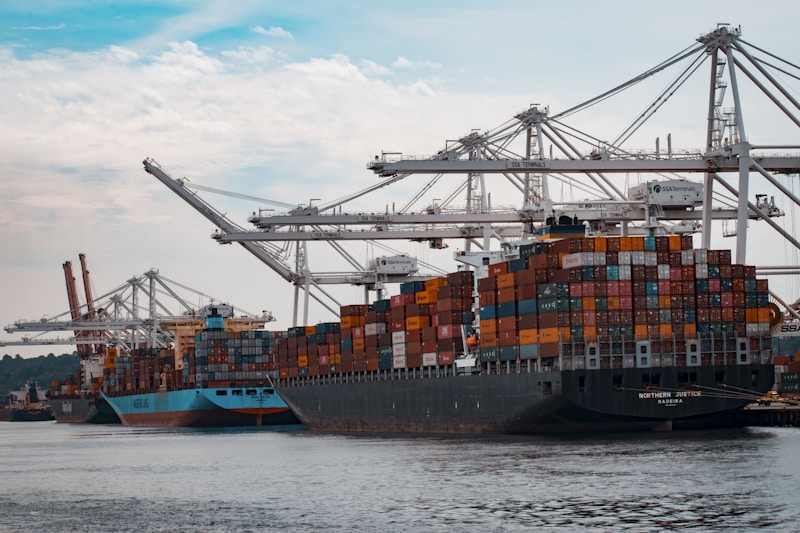
Step 3: Choosing the Right International Courier
Shipping is usually the biggest logistical consideration in cross-border bartering. The good news is that international shipping has never been more accessible or affordable. Here are the main options:
Major International Carriers
- DHL Express. Fast and reliable, with excellent tracking. Best for medium-value items where speed matters. Typically delivers in 2 to 5 business days worldwide.
- FedEx International. Strong coverage in North America, Europe, and Asia. Competitive rates for heavier packages.
- UPS Worldwide. Good for larger items. Offers a range of speed options from economy to express.
- National postal services. Often the cheapest option for smaller, lighter items. Delivery times vary from 7 to 30 days depending on the route. Services like USPS, Royal Mail, Deutsche Post, and Japan Post offer tracked international options.
Shipping Aggregators
Platforms like Shippo, Pirate Ship, or Sendcloud let you compare rates across multiple carriers and often offer discounted pricing. Some even handle customs documentation automatically.
Swaply's Shipping Integration
Swaply partners with select carriers to offer discounted shipping rates directly within the app. You can generate shipping labels, track packages, and resolve delivery issues without leaving the platform. This is the easiest option for most users and ensures that both parties have visibility into the shipment status.
How to keep shipping costs reasonable:
- Agree in advance on who pays for shipping. In most international swaps, each party ships their own item to the other.
- Use appropriate packaging. Over-packaging adds weight and cost. Under-packaging risks damage.
- Consider the weight and dimensions carefully. International shipping rates are often calculated by volumetric weight, which means a large but light item can cost more than you expect.
- Ship items in their original packaging when possible. It reduces size and provides built-in protection.
Step 4: Navigating Customs and Declarations
Customs is the part of international bartering that intimidates most people, but it is more straightforward than it appears. Here is what you need to know:
Customs Declarations
Every international package requires a customs declaration form (usually CN22 or CN23 for postal services, or a commercial invoice for courier shipments). You will need to provide:
- A description of the item
- The quantity
- The value (use the fair market value of the item)
- The country of origin
- The Harmonized System (HS) code if applicable
Since bartered goods are exchanges rather than purchases, you should declare the item as a "gift" or "personal exchange" depending on your country's regulations. The declared value should reflect the fair market value of the item, not zero — customs authorities can and do inspect packages and may levy duties based on their own assessment.
Import Duties and Taxes
Most countries have a de minimis threshold — a value below which no import duty or tax is charged. This varies widely:
- United States: 800 USD
- European Union: 150 EUR (duty-free), 0 EUR for VAT
- United Kingdom: 135 GBP
- Canada: 20 CAD
- Australia: 1,000 AUD
If your swapped item exceeds the threshold, the recipient may need to pay import duties and/or VAT or GST upon delivery. Discuss this possibility with your swap partner in advance so there are no surprises.
Restricted and Prohibited Items
Every country has lists of items that cannot be imported or require special permits. Common restrictions include:
- Food and agricultural products
- Plants and seeds
- Alcohol and tobacco
- Medications and supplements
- Electronics with lithium batteries (shipping restrictions)
- Cultural artifacts and antiques
Always check the import regulations of your swap partner's country before shipping. Swaply's help center includes a regularly updated guide to restricted items by country.

Step 5: Handling Value and Currency Differences
One of the unique aspects of bartering is that no money changes hands — but both parties still need to agree that the exchange is fair. This can be complicated when swappers live in countries with very different costs of living.
A textbook that costs the equivalent of 5 dollars in India might sell for 40 dollars in the United States. A handmade craft from Mexico might be inexpensive locally but highly valued in Scandinavia. These differences are not problems — they are opportunities. International bartering works best when both parties feel they are getting something they value more than what they are giving up, regardless of local pricing.
Tips for fair international valuations:
- Use Swaply's value estimation tool, which adjusts for regional pricing differences.
- Look at what similar items sell for in your partner's country, not just yours.
- Focus on personal value rather than strict monetary equivalence. If both parties are happy, the swap is fair.
- For service swaps, consider the time invested rather than the local hourly rate. An hour of expert tutoring is valuable everywhere.
Step 6: Managing Time Zones and Scheduling
When your swap partner is 8 or 12 hours ahead or behind you, coordinating communication requires a bit of planning.
- Set expectations early. Let your partner know your typical online hours and response time.
- Use asynchronous communication. Swaply's messaging system is designed for this — you do not need to be online at the same time.
- Be patient. A 24-hour response time is perfectly reasonable for international swaps.
- Schedule video calls carefully. If you want to inspect an item via video call, use a tool like World Time Buddy to find overlapping availability.
Step 7: Cultural Awareness in Cross-Border Trading
Different cultures have different norms around negotiation, communication style, and transaction etiquette. Being aware of these differences makes for smoother swaps.
- Negotiation styles. In some cultures, haggling is expected and even enjoyed. In others, the first offer is meant to be close to final. Follow your partner's lead and be respectful.
- Communication directness. Some cultures value direct, concise communication. Others prefer to build rapport before getting to business. Neither approach is wrong — adapt to your partner's style.
- Gift-giving norms. In some cultures, including a small extra item or a handwritten note with your package is a meaningful gesture. It is a nice touch that can earn you a great review.
- Punctuality expectations. Shipping and response time expectations vary. Be clear about timelines and follow through on your commitments.

Protecting Yourself in International Swaps
Cross-border trades carry slightly more risk than local ones due to longer shipping times and more complex logistics. Here is how to stay safe:
- Use an independent escrow service, not currently provided by Swaply,. Both parties should use the bilateral confirmations available in the exchange flow before treating a swap as completed.
- Document everything. Photograph your item before shipping, save your shipping receipt and tracking number, and keep all communication within the Swaply app.
- Insure valuable shipments. For items worth more than 100 dollars, shipping insurance is a wise investment.
- Start small. If you are new to international swapping, begin with lower-value items to build experience and confidence.
- Check your partner's international swap history. Users with a track record of successful cross-border trades are lower risk.
Frequently Asked Questions
Who pays for international shipping?
The most common arrangement is that each party pays to ship their own item. This keeps things fair, as shipping costs vary by country. Discuss and agree on the shipping arrangement before confirming the swap.
What happens if my package gets stuck in customs?
Customs delays are usually temporary. Most packages clear within a few days. If a package is held for inspection or additional documentation, Swaply's support team can help you navigate the process. Having accurate customs declarations dramatically reduces the chance of delays.
Can I swap services internationally?
Absolutely. Services like language tutoring, graphic design, programming, consulting, and virtual assistance are perfect for international bartering because they require no physical shipping at all. These are among the most popular cross-border swaps on Swaply.
What if the item I receive is not as described?
Swaply's buyer protection applies to international swaps. If an item is significantly different from its description, you can open a dispute within 48 hours of receiving it. Our resolution team will review the evidence and work toward a fair outcome, which may include a return or swap credit.
How long does international shipping typically take?
Express services (DHL, FedEx, UPS) typically deliver in 2 to 7 business days. Standard postal services range from 7 to 30 business days depending on the origin and destination countries. Always choose tracked shipping so both parties can monitor the delivery progress.
Ready to start swapping? Join Swaply for free →