

Every year, the world generates over two billion tonnes of municipal solid waste. Mountains of perfectly functional electronics, clothing, furniture, and household goods end up in landfills simply because their owners no longer need them. At the same time, somewhere else in the world, someone is buying those same types of items brand new, consuming raw materials, energy, and water in the process. This cycle of buy-use-discard is one of the most destructive forces facing our planet.
But there is a powerful alternative hiding in plain sight. Swapping — the simple act of trading what you have for what you need — is one of the most effective things an individual can do to reduce their environmental footprint. Every item that changes hands through a swap is one less item manufactured, one less item shipped from a factory, and one less item rotting in a landfill. In this article, we will explore the real, measurable environmental impact of bartering and show you why joining the swap economy is one of the greenest choices you can make.

The E-Waste Crisis: A Problem Swapping Can Help Solve
Electronic waste is one of the fastest-growing waste streams on the planet. According to the United Nations Global E-waste Monitor, the world generated approximately 62 million tonnes of e-waste in 2022, and that number is projected to reach 82 million tonnes by 2030. Only about 22% of e-waste is properly collected and recycled. The rest is dumped in landfills, incinerated, or exported to developing countries where it poisons soil and water.
The environmental damage from e-waste is severe. Circuit boards contain lead, mercury, cadmium, and other toxic heavy metals that leach into groundwater. Burning electronic components releases dioxins and furans into the atmosphere. The mining required to extract the raw materials for new electronics — cobalt, lithium, rare earth elements — devastates ecosystems, contaminates water supplies, and contributes significantly to carbon emissions.
Swapping electronics directly addresses this crisis in several ways:
-
Extends product lifecycles — A smartphone that might be discarded after two years gets a second life with a new owner who will use it for another two or three years. This can effectively double the useful life of the device.
-
Reduces demand for new manufacturing — Every swapped device is one fewer device that needs to be manufactured. Given that producing a single smartphone generates approximately 70 kilograms of CO2 equivalent, the cumulative impact of widespread device swapping is substantial.
-
Keeps toxic materials out of landfills — Devices that are swapped stay in circulation and out of the waste stream, preventing the release of hazardous substances into the environment.
-
Conserves rare materials — The minerals and metals in your old phone are finite resources. Keeping devices in use longer reduces the pressure on mining operations worldwide.
If every household in Europe swapped just one electronic device per year instead of discarding it, the environmental savings would be equivalent to taking millions of cars off the road. The numbers are that significant.
Carbon Emissions: The Hidden Cost of New Products
Most people underestimate the carbon footprint of the products they buy. The emissions associated with manufacturing, transporting, and disposing of goods account for a staggering portion of global greenhouse gas output. According to research from the Ellen MacArthur Foundation, the production of goods and food accounts for approximately 45% of global greenhouse gas emissions.
Consider these numbers:
- Manufacturing a new cotton t-shirt produces approximately 7 kilograms of CO2
- Producing a new pair of jeans generates around 33 kilograms of CO2
- A new laptop accounts for roughly 300 to 400 kilograms of CO2
- A new sofa generates approximately 90 kilograms of CO2
- A single new smartphone contributes around 70 kilograms of CO2
When you swap any of these items instead of buying new, you eliminate nearly all of those emissions. The only carbon cost of a swap is the transportation involved in getting the item to its new owner, which is a tiny fraction of the manufacturing footprint — especially for local swaps where items change hands in person.
The Circular Economy: From Linear Waste to Circular Value
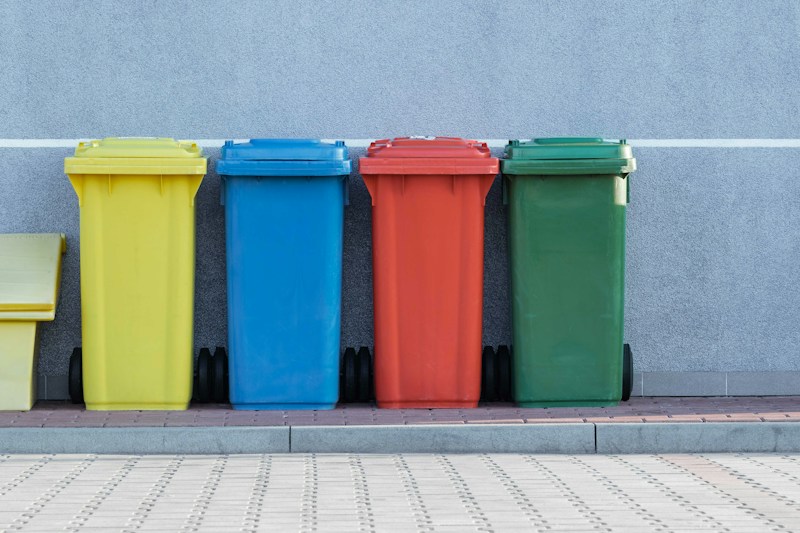
The traditional economic model follows a linear path: extract raw materials, manufacture products, sell them, use them, and throw them away. This "take-make-dispose" model is fundamentally unsustainable on a planet with finite resources. The circular economy offers a different vision, one where products and materials are kept in use for as long as possible, extracting maximum value before recovery and regeneration.
Swapping is a cornerstone of the circular economy. When you trade an item you no longer need for something you do need, you are participating in a closed-loop system where nothing goes to waste. The item continues to provide value to someone, and you receive value in return without any new resources being consumed.
The principles of the circular economy that swapping supports include:
-
Design out waste — By keeping items in circulation, swapping reduces the need for products to be designed as disposable. When people know they can trade items later, they tend to take better care of them.
-
Keep products in use — This is the most direct contribution of swapping. Every trade extends the useful life of two items simultaneously.
-
Regenerate natural systems — By reducing demand for new raw materials, swapping allows natural systems to recover. Fewer mines, fewer factories, fewer clear-cut forests.
-
Shift from ownership to access — Swapping encourages people to think of items as temporarily useful rather than permanently owned. This shift in mindset is fundamental to the circular economy.
The Ellen MacArthur Foundation estimates that transitioning to a circular economy could reduce global CO2 emissions by 9.3 billion tonnes by 2050. That is equivalent to eliminating all current emissions from global transport. Swapping is not the only strategy for achieving this, but it is one of the most accessible and immediately impactful actions an individual can take.
Fast Fashion: The Environmental Disaster Swapping Can Disrupt
The fashion industry is one of the most polluting industries on Earth. It is responsible for approximately 10% of global carbon emissions — more than international flights and maritime shipping combined. The industry consumes 93 billion cubic meters of water annually and is the second-largest polluter of water after agriculture. An estimated 92 million tonnes of textile waste is generated every year, with the majority ending up in landfills or incinerators.
Fast fashion, the model of producing cheap, trendy clothing at breakneck speed, is the primary driver of this destruction. The average consumer now buys 60% more clothing than they did 15 years ago but keeps each garment for half as long. The result is a relentless cycle of consumption and disposal that the planet simply cannot sustain.
Clothing swaps offer a direct and powerful counter to fast fashion:
-
Wardrobe refreshment without waste — Swapping lets you update your style without buying new. Your "old" jacket becomes someone else's exciting new find, and their barely-worn dress becomes yours.
-
Higher quality, lower cost — In the swap economy, quality items circulate freely. You might trade a fast-fashion piece for a well-made garment that lasts years longer, upgrading your wardrobe's sustainability in the process.
-
Reduced water consumption — Every swapped garment saves the water that would have been used to produce a new one. For a single cotton t-shirt, that is approximately 2,700 liters of water — enough for one person to drink for two and a half years.
-
Less textile waste — Clothing that is swapped stays out of landfills, where synthetic fabrics can take up to 200 years to decompose while releasing microplastics into the soil.

Real Statistics: The Measurable Impact of Second-Hand Exchange
The environmental benefits of swapping are not theoretical. Research and data from multiple sources paint a clear picture of the impact:
-
ThredUp's Resale Report found that buying a used item instead of new reduces its carbon footprint by an average of 82%. This accounts for eliminated manufacturing, raw material extraction, and initial transportation.
-
The EPA estimates that the average American generates 4.4 pounds (2 kilograms) of waste per day. Redirecting even a fraction of that through swapping rather than disposal would have a massive cumulative impact.
-
A study by WRAP (Waste and Resources Action Programme) found that extending the life of clothing by just nine additional months reduces its carbon, water, and waste footprints by approximately 20-30%.
-
The International Resource Panel reports that resource extraction and processing cause more than 90% of biodiversity loss and water stress. Reducing demand for new products through swapping directly addresses this root cause.
-
Second-hand marketplaces collectively prevent an estimated 1.6 million tonnes of CO2 emissions annually in Europe alone, according to a study commissioned by several major resale platforms.
These numbers make a compelling case. Swapping is not just a feel-good activity. It is a measurable, significant contributor to environmental protection.
Beyond Individual Swaps: The Ripple Effect
The environmental impact of swapping extends beyond the direct emissions saved on each trade. There is a powerful ripple effect that amplifies the benefits:
-
Shifting consumer mindset — People who start swapping often report becoming more conscious consumers overall. They buy less, choose higher quality, and think more carefully about the lifecycle of their purchases.
-
Community influence — When one person in a social circle starts swapping, others often follow. Swap meetups, clothing exchange events, and platform referrals create a multiplier effect that spreads sustainable behavior through communities.
-
Market signal — As more people swap and buy second-hand, it sends a signal to manufacturers that consumers demand more durable, repairable, and sustainable products. This market pressure can drive industry-wide changes in production practices.
-
Reduced packaging waste — Local swaps typically involve zero packaging. Even shipped swaps use far less packaging than new retail products, which often come wrapped in layers of plastic, cardboard, and styrofoam.
-
Resource awareness — Swapping makes the value of existing items visible in a way that discarding them does not. When you trade your old camera for a bicycle, you viscerally experience the embedded value in used goods, which changes how you think about everything you own.
How You Can Maximize Your Environmental Impact Through Swapping
If you want to make the biggest possible difference through swapping, here are some practical strategies:
-
Start with high-impact categories — Electronics, clothing, and furniture have the largest environmental footprints per item. Swapping in these categories delivers the biggest bang for your effort.
-
Swap locally when possible — Local swaps eliminate shipping emissions entirely. Arrange to meet in person at a public location and walk away with your new item the same day.
-
Trade quality for quality — Prioritize swapping well-made items that will last their next owner years rather than months. This maximizes the lifecycle extension of each trade.
-
Encourage others to join — The environmental impact of swapping scales with participation. Invite friends, family, and colleagues to try Swaply. Share your successful swaps on social media to inspire others.
-
Think beyond decluttering — Do not just swap when you want to get rid of things. Consider swapping first before buying new. Need a drill for a weekend project? Check Swaply before heading to the hardware store.
-
Track your impact — Swaply helps you see the estimated environmental savings of your swaps, including estimated CO2 avoided and waste diverted. Watching these numbers grow is a powerful motivator.
Frequently Asked Questions
How much CO2 does a single swap actually save?
It depends entirely on the item. Swapping a smartphone saves approximately 70 kilograms of CO2, while swapping a t-shirt saves about 7 kilograms. On average, a typical household item swap saves between 5 and 50 kilograms of CO2 equivalent. Over a year of regular swapping, this adds up to a meaningful reduction in your personal carbon footprint.
Is swapping really better for the environment than recycling?
In most cases, yes. Recycling is valuable, but it still requires energy for collection, processing, and remanufacturing. Swapping skips all of those steps by keeping the original product in use. The waste hierarchy prioritizes reuse (which includes swapping) above recycling for this reason. The greenest product is the one that already exists.
What about the environmental cost of shipping swapped items?
Shipping does generate emissions, but they are a fraction of the emissions from manufacturing a new product. A typical domestic parcel generates about 0.5 to 1 kilogram of CO2, compared to the 70 kilograms generated by manufacturing a new smartphone. For maximum environmental benefit, prioritize local swaps when possible.
Can swapping really make a difference at scale?
Absolutely. If just 10% of household purchases were replaced by swaps, the reduction in global manufacturing emissions would be enormous. The swap economy does not need to replace all commerce to make a significant impact. Even modest adoption rates create meaningful environmental benefits that compound over time.
Every Swap Counts
Climate change, pollution, and resource depletion are enormous challenges, and it is easy to feel powerless in the face of them. But swapping is proof that individual actions, multiplied across communities, can create real change. Every item you swap is a small but meaningful vote for a more sustainable world. It is a rejection of the wasteful linear economy and an embrace of the circular, regenerative future we need.
You do not have to overhaul your entire lifestyle overnight. Start with one swap. See how it feels. Then do another. Before long, you will find that swapping is not just good for the planet — it is a more satisfying, connected, and intentional way to get the things you need.
Ready to start swapping? Join Swaply for free →