

Production availability note: This article may discuss Swaply's product direction. Provider-dependent services such as payments, escrow, identity verification, staffed mediation, courier integrations, insurance and paid AI are not implied to be live. Current availability is shown by the application itself.
The difference between a swap listing that gets dozens of offers and one that gets zero often comes down to how it is written. You could have the most desirable item on Swaply, but if your listing is poorly written, uses blurry photos, or lacks key details, potential swap partners will scroll right past it. On the other hand, a well-crafted listing for even a modest item can attract a flood of interest.
After analyzing thousands of successful swaps on Swaply, we have identified the patterns that separate high-performing listings from the rest. This guide breaks down every element of a winning swap listing, from the title to the final call to action. Follow these steps, and you will see a dramatic increase in the number and quality of swap offers you receive.
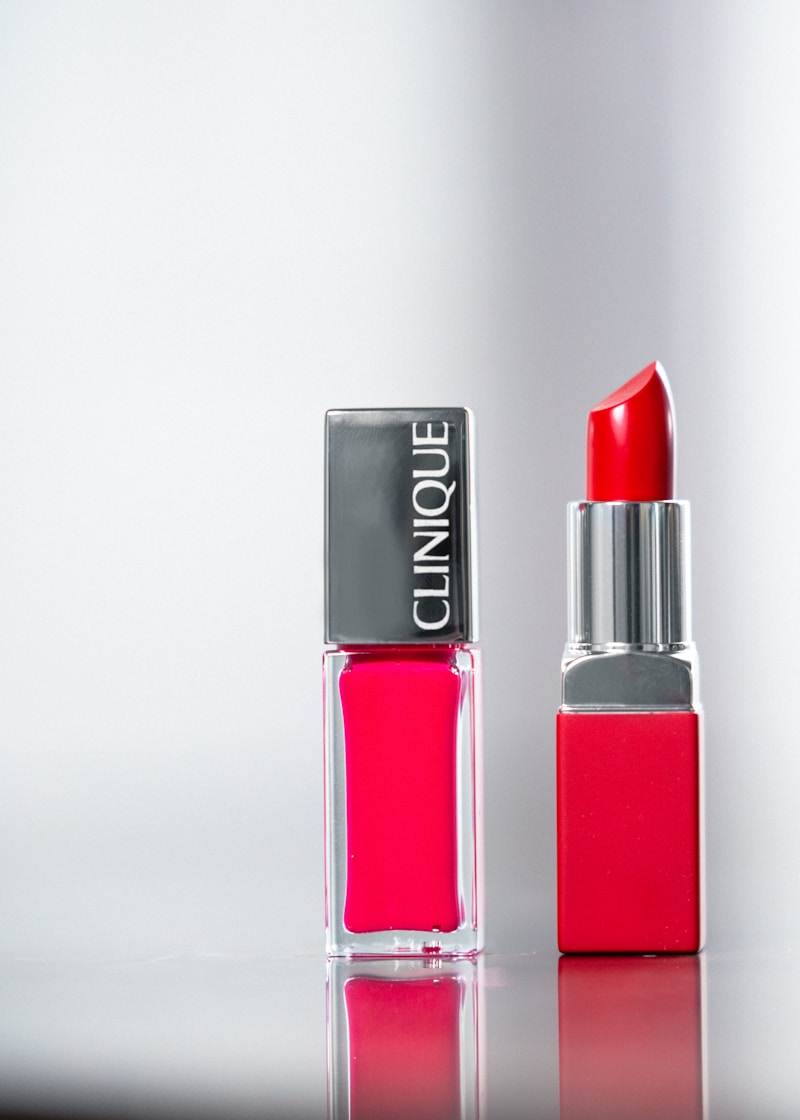
The Title: Your First and Most Important Impression
Your listing title is the single most important element of your swap post. It is the first thing people see in search results, and it determines whether they click through to read more or keep scrolling. Here is how to write a title that demands attention.
Use Keywords That People Search For
Think about how someone would search for your item. They are not going to type "cool thing I want" into the search bar. They are going to type specific words: the brand name, the model number, the category, and the condition. Your title needs to include these keywords naturally.
Bad title: "Nice blender for trade"
Good title: "Vitamix 5200 Professional Blender — Excellent Condition, All Accessories"
The good title includes the brand (Vitamix), the model (5200), the category (blender), the condition (excellent), and a bonus detail (all accessories included). Someone searching for any of those terms will find your listing.
Follow the Formula
The most successful Swaply listings follow a consistent title formula:
[Brand] [Model/Product Name] — [Condition], [Key Feature or Bonus]
Here are more examples:
- "Sony WH-1000XM5 Headphones — Like New, Original Box Included"
- "Trek Marlin 7 Mountain Bike — Good Condition, Recently Tuned"
- "KitchenAid Artisan Stand Mixer — Red, Barely Used, With 3 Attachments"
- "Canon EOS R6 Mirrorless Camera — Excellent, Low Shutter Count"
Avoid These Title Mistakes
- All caps: "AMAZING DEAL MUST SEE" screams desperation and gets filtered out by many users
- Vague descriptions: "Electronics for swap" tells potential partners nothing useful
- Excessive punctuation: "Great item!!!" looks unprofessional
- Emoji overload: Keep emojis out of titles entirely for a clean, searchable listing
- Misleading claims: "Brand new" when the item is clearly used destroys trust immediately
The Description: Tell the Full Story
Once someone clicks on your listing, the description needs to give them everything they need to make a decision. A great description answers every question a potential swap partner might have before they even need to ask.
Structure Your Description
Use a consistent format that makes information easy to find:
- Opening paragraph: A brief, enthusiastic summary of what you are offering and why it is a great swap opportunity
- Specifications: Brand, model, size, color, material, year of purchase, and any technical details relevant to the item
- Condition details: Honest description of wear, scratches, dents, stains, or any imperfections
- What is included: List everything that comes with the item, including accessories, manuals, boxes, cables, and extras
- What you are looking for: Be specific about what you want in return, but also indicate flexibility
- Swap logistics: Your location, whether you are willing to ship, and your preferred meeting arrangement
Be Brutally Honest About Condition
This is where most listings fail. Traders are tempted to minimize flaws or omit them entirely, hoping the other party will not notice. This strategy backfires every time. When the swap partner sees the item in person and discovers undisclosed damage, the swap falls apart, you get a negative review, and your trust score drops.
Instead, be upfront about every imperfection. Describe the flaw, explain how it affects functionality (or does not), and include a close-up photo. Paradoxically, honesty about flaws increases trust and makes people more likely to swap with you, not less. A listing that says "Small scratch on the bottom right corner, purely cosmetic, does not affect performance" is far more trustworthy than one that claims perfect condition and hopes for the best.
Specify What You Want in Return
One of the unique aspects of swap listings is the "looking for" section. This is where you tell potential partners what you would accept in trade. Being specific helps you attract relevant offers, but being too narrow limits your options. Here is the balance:
- List your top 3-5 desired items: "Looking for a DSLR camera, quality headphones, or a tablet"
- Include categories you are open to: "Also open to outdoor gear, kitchen appliances, or tech accessories"
- State your flexibility: "Open to other offers of similar value — surprise me"
This approach gives potential partners a clear starting point while keeping the door open for creative offers you might not have considered.

Photography: Show, Do Not Tell
Photos are the visual proof that backs up your description. On Swaply, listings with high-quality photos receive up to ten times more offers than those with poor or missing images. You do not need a professional camera or a photography studio. A smartphone and a few simple techniques are all it takes.
Lighting Is Everything
Natural light is your best friend. Photograph your item near a window during daylight hours, avoiding direct sunlight which creates harsh shadows. If natural light is not available, use two lamps positioned at 45-degree angles on either side of the item to create even, shadow-free illumination.
Never use your camera's flash. Flash creates unflattering highlights, washes out colors, and makes items look cheap. If the room is dark, move to a brighter location rather than relying on flash.
Choose the Right Background
A clean, uncluttered background makes your item the star of the photo. The best options are:
- A plain white wall or poster board: Professional and clean
- A wooden table or surface: Warm and inviting
- A solid-colored bedsheet or fabric: Easy to set up anywhere
- The item's natural environment: A bicycle photographed outdoors, a bookshelf photographed in a reading nook
Avoid photographing items on messy floors, unmade beds, or cluttered countertops. The background sends a message about how you treat your belongings, and a messy background suggests carelessness.
Capture Every Angle
A single photo is never enough. Here is the minimum set of photos every listing should include:
- Hero shot: The full item from the most flattering angle, well-lit and centered
- Back and sides: Show every surface of the item
- Close-up of key features: The display of an electronic device, the label of a clothing item, the blade of a kitchen tool
- Close-up of any flaws: Scratches, dents, stains, or wear marks, photographed honestly
- Accessories shot: Everything included in the swap laid out together
- Scale reference: Include a common object (a pen, a coin, a hand) for size context when the item's dimensions are not obvious
- Proof of function: The device powered on, the zipper working, the wheels spinning
Photo Editing Tips
A little editing goes a long way, but do not overdo it:
- Brightness and contrast: Increase slightly if the photo looks dark or flat
- Crop: Remove unnecessary space around the item to make it the focal point
- Straighten: Align the item so it is not tilted or crooked
- Do not use filters: Filters change colors and create unrealistic expectations. Show the item as it actually looks

Setting a Realistic Estimated Value
Every Swaply listing includes an estimated value that helps potential swap partners gauge whether the trade is fair. Setting this value correctly is crucial:
Research Before You Price
- Check what the same item (same brand, model, condition) is selling for on eBay, Facebook Marketplace, and Amazon
- Look at completed sales, not active listings. What people are asking is not the same as what people are paying
- Adjust for condition. A "good" condition item is typically worth 50-70% of the new retail price, while "like new" can command 70-90%
Common Pricing Mistakes
- Pricing based on what you paid: What you paid years ago is irrelevant. The market determines value today
- Ignoring depreciation: Electronics lose value quickly. A two-year-old laptop is not worth what you paid for it, even if it is in perfect condition
- Overvaluing sentimental items: Your grandmother's teapot may be precious to you, but its swap value is determined by the market, not your memories
- Undervaluing to attract offers: Pricing too low attracts lowball offers and sets the wrong expectations
The Sweet Spot
Price your item at the current fair market value for its condition. This attracts serious swap partners who understand the value exchange and are prepared to offer something equivalent in return.
Responding to Offers: Speed and Professionalism
Writing a great listing is only half the battle. How you handle incoming offers determines whether those offers convert into completed swaps.
Respond Within Hours, Not Days
Timely replies can make coordination easier, but Swaply does not yet publish verified platform-scale statistics for this claim. Set up push notifications on the Swaply app so you never miss an offer.
Be Gracious With Rejections
Not every offer will be a match, and that is fine. When declining an offer, follow this approach:
- Thank the person for their interest
- Briefly explain why the offer does not work for you
- Suggest what would work better, if applicable
- Wish them luck finding a swap
A polite rejection keeps the door open for future interactions and maintains your reputation as a respectful trader.
Negotiate Constructively
Many great swaps start with an initial offer that is not quite right but has potential. Instead of immediately accepting or rejecting, explore possibilities:
- "I love the headphones, but the value is a bit below my item. Would you be able to add anything to balance the trade?"
- "I am not looking for that specific model, but if you have anything else in the electronics category, I would love to hear about it"
- "The item looks great, but I am concerned about the condition. Could you send me a few more photos of the area you mentioned?"
Frequently Asked Questions
How many photos should I include in my listing?
We recommend a minimum of five photos and a maximum of twelve. Include a hero shot, multiple angles, close-ups of key features, close-ups of any flaws, and a photo of all included accessories. More photos generally lead to more offers, as long as each photo adds useful information.
Should I mention what I paid for the item?
Generally, no. The original purchase price is not relevant to the current swap value, and including it can create unrealistic expectations. Focus on the item's current condition and market value instead. The exception is if you purchased the item very recently and have a receipt to prove it, which can support a higher valuation.
How often should I update my listing?
If your listing has not received offers within one week, consider updating the title, adding new photos, revising the description, or adjusting your estimated value. Swaply's algorithm favors recently updated listings, so refreshing your post can boost its visibility in search results.
Can I list the same item on multiple platforms?
Yes, but manage your listings carefully. If someone on Swaply makes an offer and you have already sold the item elsewhere, you will damage your reputation. Update or remove listings immediately when an item is no longer available.
What is the ideal listing description length?
Aim for 200-400 words in your description. This is long enough to cover all essential details but short enough to keep readers engaged. Use bullet points and short paragraphs to make the text scannable. Avoid walls of text that overwhelm potential swap partners.
Put It All Together
A great swap listing is not rocket science, but it does require intention. Spend fifteen minutes crafting a keyword-rich title, writing a thorough and honest description, and taking quality photos in good lighting. Set a fair estimated value, specify what you are looking for, and respond to offers quickly and professionally.
These small investments of time pay enormous dividends. Traders who follow the principles in this guide consistently report receiving five to ten times more offers than they did before. And more offers mean more choices, which means better swaps.
Your next listing could be the one that changes everything. Make it count.
Ready to start swapping? Join Swaply for free →